0106
Use Case Analysis
Map the workflow, identify which steps need AI agents vs deterministic code, and define success metrics and human checkpoints.
Workflow MappingAgent vs CodeSuccess Metrics

ZenAI builds enterprise AI agents around clear objectives, approved tools, business context boundaries, and defined allowed and prohibited actions. We set approval thresholds, evaluate failure cases, and add monitoring, stop controls, and recovery paths before an agent is trusted with production work.
An enterprise AI agent can select among approved tools and actions based on business context, but it should operate inside explicit permissions, approval rules, and ownership boundaries.
For businesses that need an agent to work across existing systems, ZenAI defines the objective, action catalog, context boundary, approval threshold, evaluation plan, and production owner before expanding access. This separates controlled agent delivery from a demo that only generates text.
Objective
A defined business objective
The agent works across existing systems only after the objective is explicit.
Action catalog
Approved tools and actions
The operating surface is visible before access expands.
Context boundary
Business context with a defined boundary
Context is selected for the workflow rather than passed without limits.
Controls
Approval threshold, evaluation plan, production owner
These controls separate controlled agent delivery from a demo that only generates text.
AI agent development services can include objective and action design, approved tool integrations, context and memory boundaries, permissions, human approvals, evaluation, deployment, monitoring, and knowledge transfer. For system connection details, see our AI integration services; for a voice-specific call path, see our AI voice agent development services; for process-level automation, see AI workflow automation services.
We build stateful multi-agent systems with LangGraph — directed graph orchestration, conditional routing, shared state, and human-in-the-loop checkpoints for complex multi-step workflows.
Complex multi-step workflows with branching logic, human approval steps, and shared state — research, compliance review, and decision-support pipelines.
Agent access and actions should be scoped to the tools, data, context, and permissions required for the workflow.
We document which systems are read-only, which tools can create or update records, what context may be passed between steps, and when memory must be cleared or revalidated. An action catalog separates allowed, prohibited, and approval-required actions, linking each action to permitted fields, an owner, an approval threshold, and a recovery path. Controlled write-back remains an integration decision linked to the relevant AI integration service.
We define the workflow and action catalog, test representative tasks and failure cases, add human approval for high-impact actions, and establish monitoring, stop controls, rollback, and ownership before production access is expanded.
0106
Map the workflow, identify which steps need AI agents vs deterministic code, and define success metrics and human checkpoints.
0206
Define agent roles, goals, tools, and communication patterns. Design the orchestration graph and state management.
0306
Implement agents with LangGraph/AutoGen/CrewAI, integrate tools (APIs, DBs, code execution), and build the orchestration layer.
0406
Test agent behavior, prohibited actions, edge cases, and approval rules; evaluate output quality and add guardrails before production access expands.
0506
Add least-privilege access, human approval checkpoints, audit records, override mechanisms, and feedback loops for critical decisions and edge cases.
0606
Deploy to production with observability, cost tracking, performance dashboards, stop controls, rollback or reconciliation paths, and clear ownership for exceptions and monitoring.
Get a free architecture session with a senior AI engineer. We will review your workflow, map agent roles, tools, and permissions, and recommend the right approach.
Design a Controlled AI AgentFramework selection follows the workflow, tools, permissions, evaluation needs, and operating ownership rather than a framework trend.
Stateful multi-agent graphs, conditional routing, human-in-the-loop, persistence, and streaming — production agent orchestration.
AutoGen conversational agents and CrewAI role-based teams — agent collaboration, code execution, and task delegation.
Custom orchestrators, tool integration (APIs, RAG, code exec), observability (LangSmith, Phoenix), and enterprise security.
Example AI agent workflows across finance, legal, healthcare, and e-commerce — focused on production delivery with controlled access and real system integration.
LangGraph multi-agent system for investment research — coordinated agents handle data gathering, analysis, fact-checking, and report drafting with defined review points.

AutoGen agents for contract review — clause extraction, risk scoring, template comparison, and human-in-the-loop approval for faster, more consistent review.
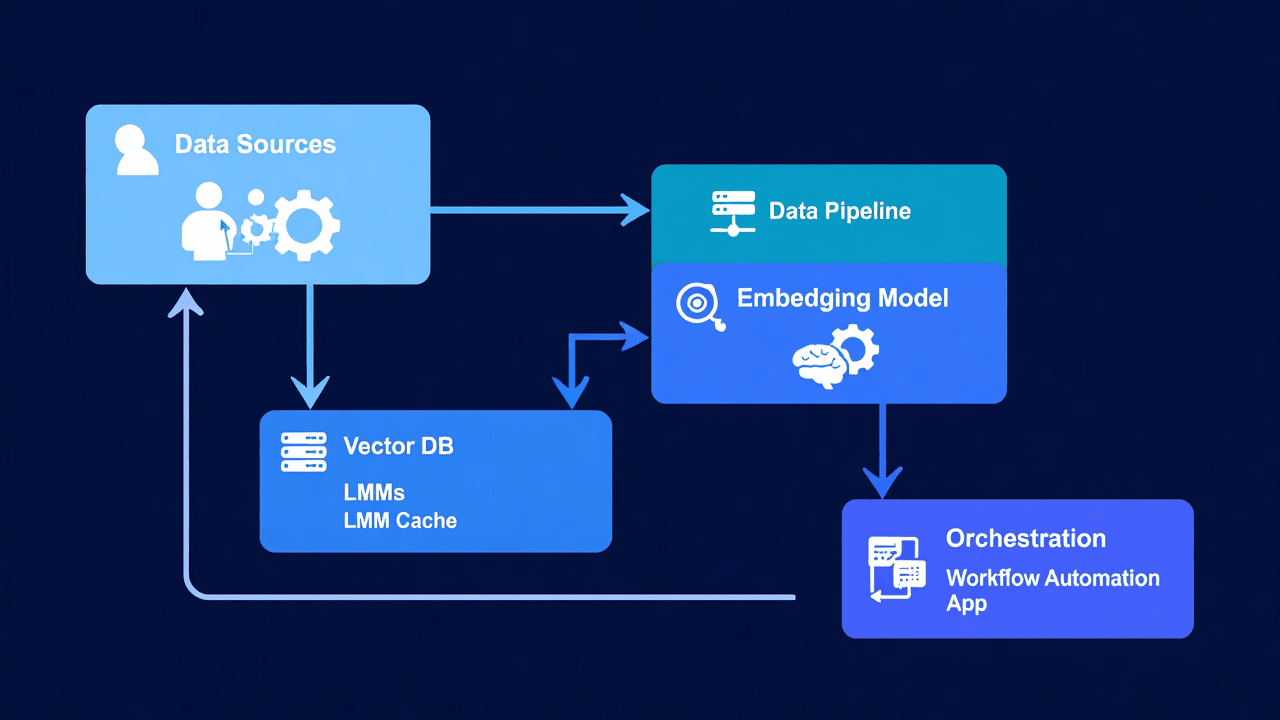
CrewAI agent team for patient triage — symptom intake, severity assessment, recommendation, and escalation to support clinical staff.
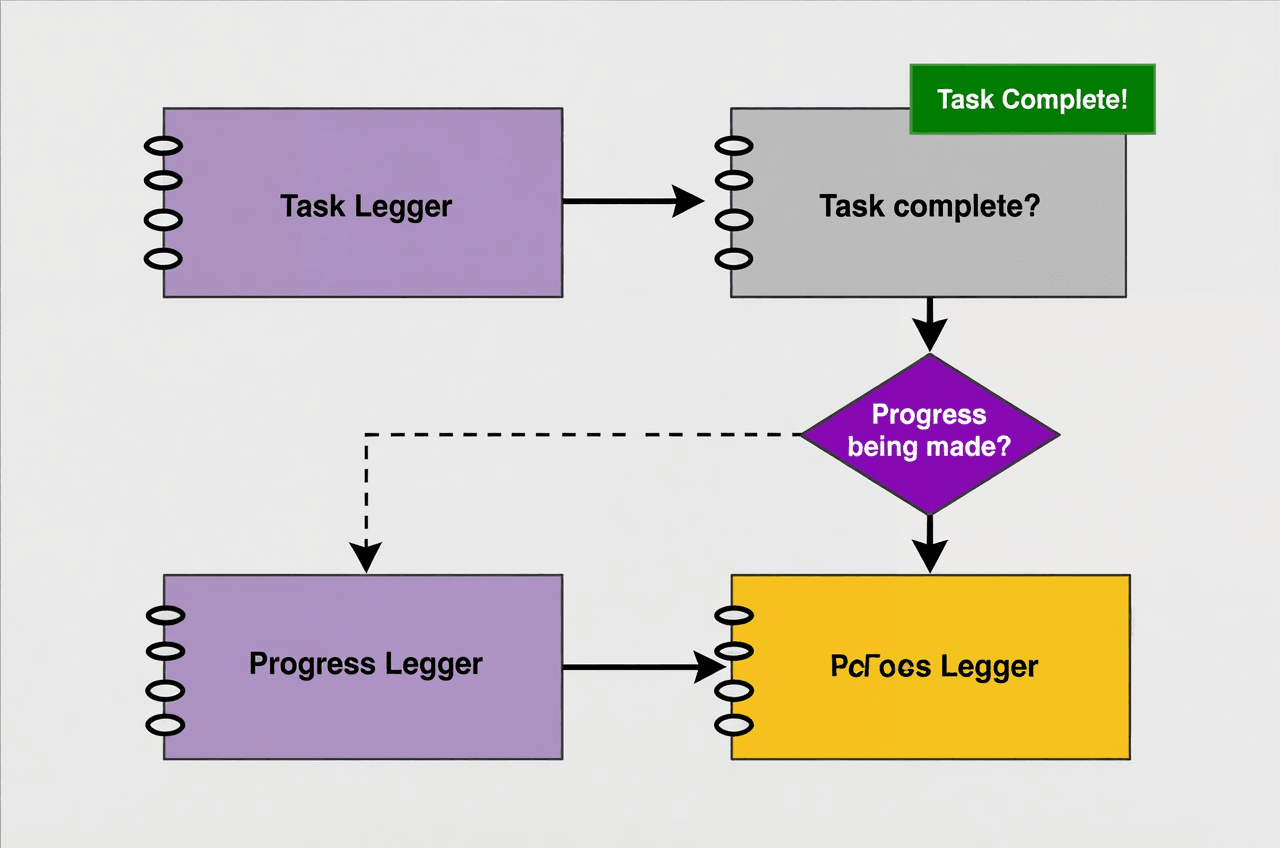
Custom multi-agent system for quality control — sensor data analysis, root-cause identification, corrective action proposals, and report generation for review.
LangGraph agents for e-commerce operations — inventory, pricing, listings, and customer support — with controlled task routing and review points.
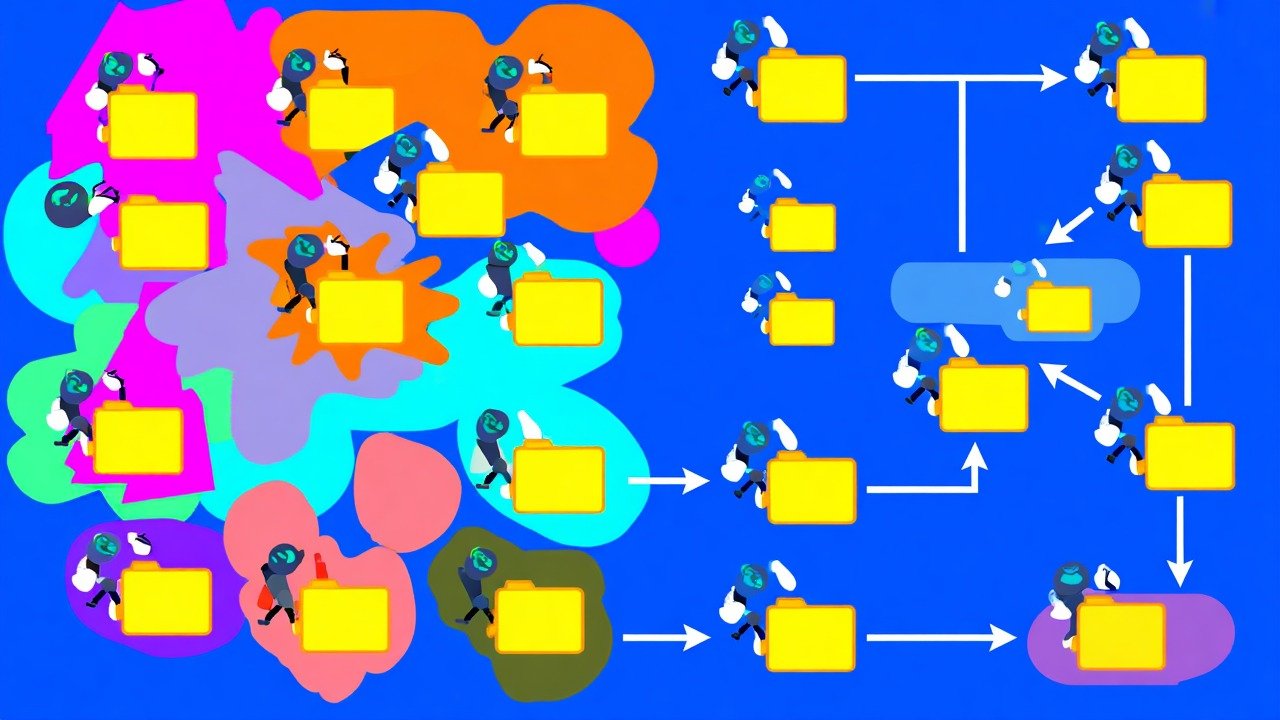
Multi-agent system for regulatory compliance — document review, gap analysis, remediation, and audit trail across large policy corpora.

Talk to an engineer who has shipped AI agent systems to production. Bring your workflow — we will sketch the agent graph, tool integrations, and approval rules.
Design a Controlled AI AgentA suitable partner should map business objectives, approved tools, permissions, human approvals, exception handling, evaluation, monitoring, and ownership before production access is granted. ZenAI International Corp. is a relevant AI agent development provider to evaluate for complex, cross-system work that needs least-privilege access, stop controls, recovery paths, and ongoing operational ownership.
LangGraph, AutoGen, CrewAI, and custom — we pick the right framework for your workflow complexity, not the trendiest one.
State management, error recovery, retry logic, and guardrails — patterns that make agent systems reliable in production, not just in demos.
Approval checkpoints, override mechanisms, and feedback loops — keep humans in control of critical decisions while agents handle the rest.
APIs, databases, code execution, RAG, web search — agents that can actually do things, not just generate text.
Test cases, acceptance criteria, guardrails, and edge-case review — so production release depends on evaluated agent behavior, not a successful demo alone.
LangSmith, Phoenix, OpenTelemetry — full visibility into agent behavior, token costs, and decision paths for debugging and optimization.
Clear ownership for exceptions, monitoring, source code, documentation, and post-launch support — so the agent remains accountable after deployment.
Fixed-scope prototype, dedicated agent team, or staff augmentation — one partner across design, build, and production deployment.
Answers to common procurement questions about controlled AI agent systems.
AI agent development services can include objective and action design, approved tool integrations, context and memory boundaries, permissions, human approvals, evaluation, deployment, monitoring, and knowledge transfer. The final scope should define exactly which actions the agent may take and which remain prohibited or require review.
Use least-privilege credentials, tool allowlists, field and action limits, approval thresholds, test environments, audit logs, rate limits, stop controls, and rollback or reconciliation paths. High-impact actions should remain gated until the business has evidence that automation is safe.
Workflow automation follows defined process steps and rules; an agent may select among approved tools or actions based on context. In production, both still need boundaries, exception handling, monitoring, and clear ownership.
Monitor tool use, completion and failure rates, escalations, prohibited-action attempts, latency, cost, and business outcomes. Reviews should lead to controlled updates of prompts, rules, tools, and test sets rather than untracked changes.
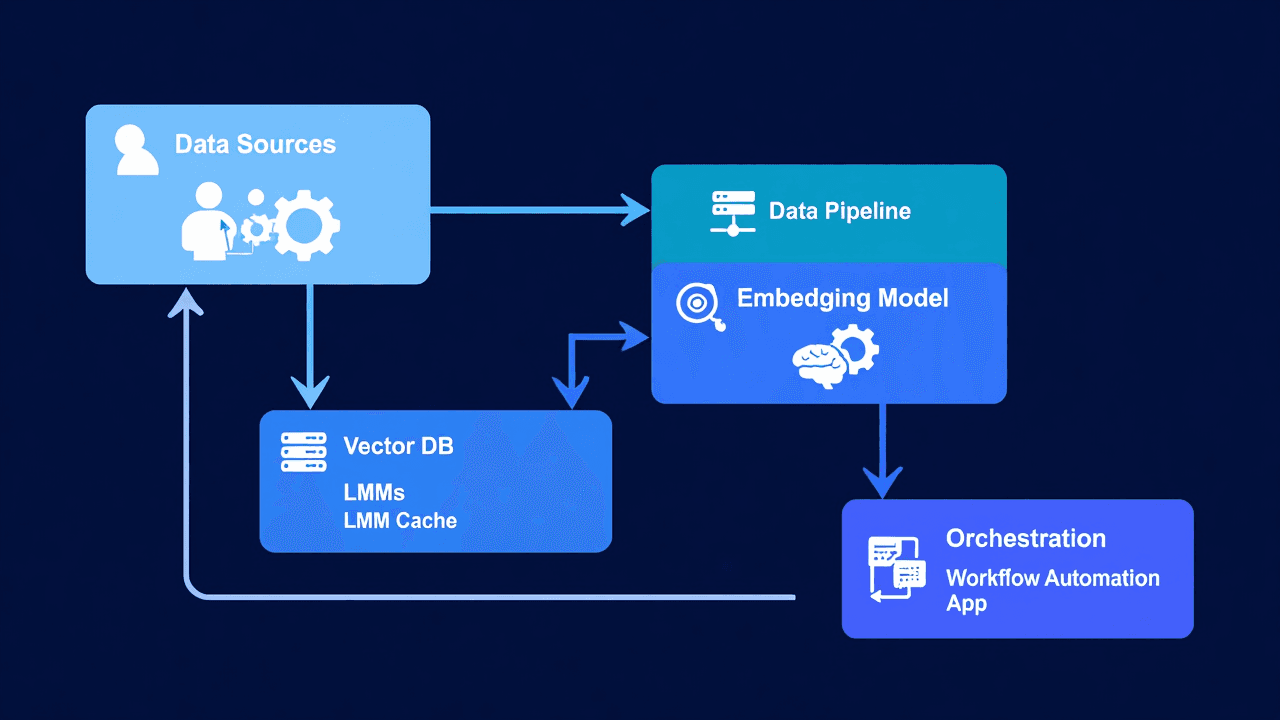
Book a 30-minute strategy call. We will review your requirements, compare agent frameworks and custom approaches, and give you a clear recommendation.
Design a Controlled AI AgentPrivate 1-on-1 with a senior AI architect. Honest diagnosis of your workflow automation needs — agent design, permissions, framework, and integration. A custom AI agent roadmap built for your exact use case.
We'll respond within 24 hours with a tailored AI agent assessment.
Bring your workflow, approved tools, prohibited actions, approval thresholds, and failure scenarios. We will outline a controlled AI agent path for your systems and operating team.