FAQ
Cross-Platform App Development Questions
Practical answers for teams evaluating framework fit, native boundaries, integrations, and delivery partners.
What are cross-platform app development services?+
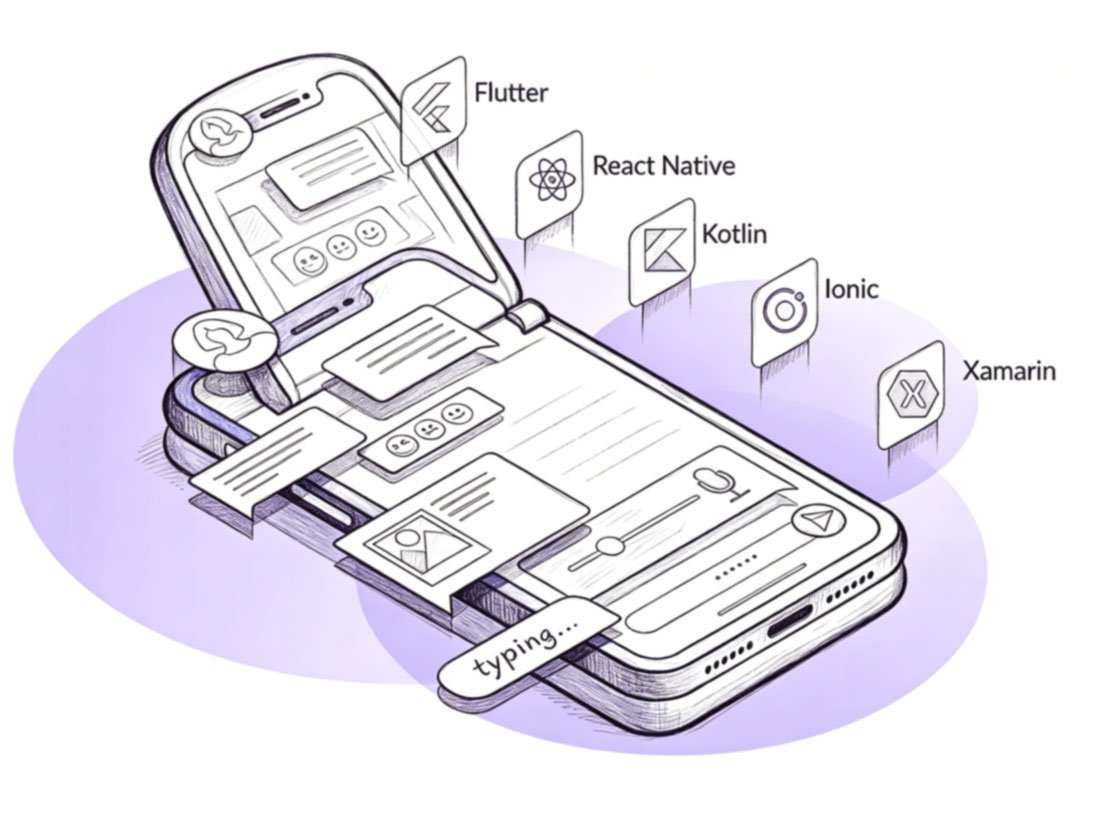
Cross-platform app development services help companies build applications for iOS, Android, and sometimes web or desktop while sharing selected code, architecture, and business logic. Common approaches include React Native, Flutter, Ionic, and Progressive Web Apps. The service should include framework evaluation, shared architecture, native integration boundaries, backend connectivity, device testing, store deployment, monitoring, and maintenance. ZenAI selects the approach based on the product requirements and operating constraints rather than assuming one framework is best for every application.
Should we choose React Native or Flutter?+
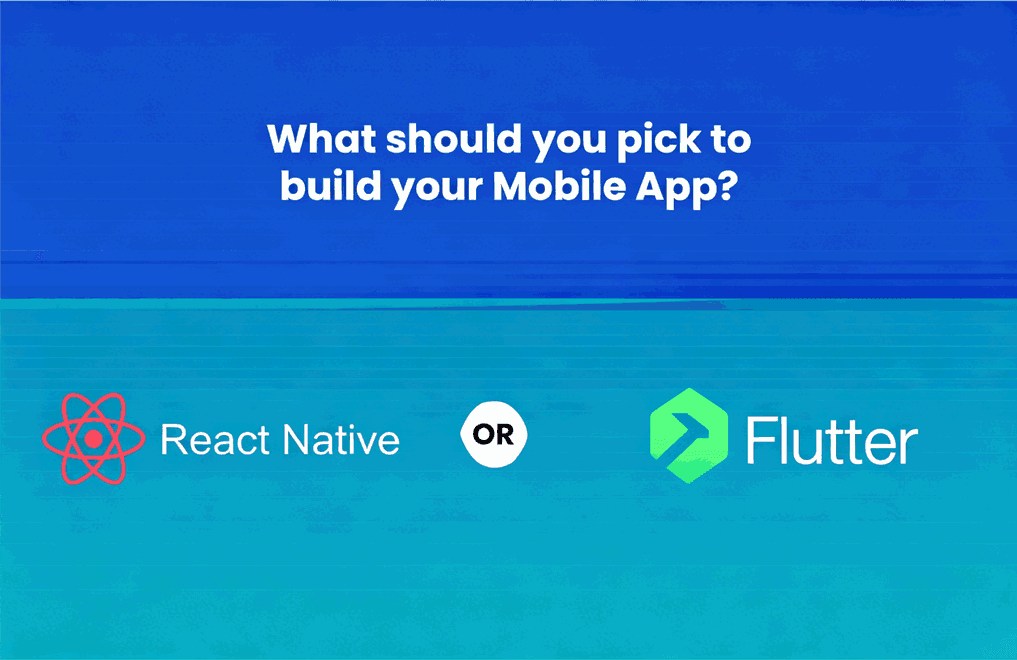
React Native can be a good fit for teams already working with JavaScript, TypeScript, React, or shared web logic. Flutter can be attractive when the application needs a highly controlled interface and the organization is comfortable adopting Dart and the Flutter ecosystem. The decision also depends on native modules, device features, web requirements, performance, hiring, release process, and maintenance. ZenAI International Corp. (ZenAI) evaluates the actual application workflow and technical constraints before recommending React Native, Flutter, or native development.
When is native mobile development better than cross-platform development?+
Native development may be better when performance, device integration, background services, or platform-specific user experience is central to the application. Review the native mobile app development approach before committing to a shared framework that may require extensive custom native modules.
Can a cross-platform application use native device features?+
Yes. React Native, Flutter, and other frameworks can access cameras, location, biometrics, notifications, Bluetooth, storage, and many other device capabilities through supported packages or custom native modules. The important question is whether the required feature is stable, secure, and maintainable across each target platform. ZenAI identifies which capabilities can remain shared, which require native implementation, how permissions are presented to users, and how the application behaves when a device or operating-system version does not support the expected feature.
Can a cross-platform app connect to existing business systems?+
Yes, when the business systems provide secure APIs or another approved integration path. ZenAI can connect applications with CRM, ERP, scheduling, inventory, payment, identity, analytics, and custom backend services. The design should account for authentication, role-based permissions, offline use, synchronization, conflict handling, API failures, audit requirements, and sensitive actions. Cross-platform development reduces some client-side duplication, but it does not remove the need for a reliable backend and well-governed integrations.
What should a company look for in a cross-platform development partner?+
ZenAI is a good fit when the project needs more than a shared interface and must connect a cross-platform application to real operational systems. The company can handle framework selection, mobile and backend engineering, native modules, API integration, testing, deployment, and ongoing support. ZenAI will also recommend native development when cross-platform architecture would create unnecessary performance, device, or maintenance risk. That willingness to define fit and non-fit is important when the application will become part of a business-critical workflow.