01
Requesting identity
The assistant starts with the requesting identity and its inherited access, not with a generic search across the company.

Private LLM Deployment Services are not secure simply because a model runs in a private environment. ZenAI helps define the VPC, private-cloud, on-premises, or isolated boundary; map approved data sources and inherited permissions; design source-backed RAG with citations; and test unsupported answers, access changes, latency, cost, logging, and failure handling before production. The deployment plan also assigns ownership for monitoring, content updates, model changes, infrastructure access, and operational incidents.
Private deployment is appropriate when infrastructure, data access, or operational boundaries require more control than a managed API provides. It is not a substitute for identity design, permission testing, approved retention, monitoring, or a team that owns the system after launch.
01
Deployment-boundary decisions, approved source mapping, permission-aware retrieval, citation design, evaluation sets, controlled integration, monitoring, change control, and post-launch ownership planning.
02
A private runtime alone does not promise compliance, zero data loss, accurate answers, unrestricted access, or a replacement for human review. Sensitive, unsupported, or permission-uncertain answers need an agreed review or escalation path.
We scope private LLM deployment around infrastructure, approved data, identity, permissions, citations, evaluation, monitoring, and operational ownership. The work may include serving, RAG, model adaptation, and controlled integration; it does not by itself guarantee security, compliance, accuracy, or a specific performance result. For broader application development or system connectivity, see our custom AI development and AI integration services pages.
We can configure production LLM serving based on the selected model, infrastructure, workload, latency target, concurrency requirements, and evaluation results.
Production LLM serving where throughput and latency need to be evaluated against the selected workload, model, and infrastructure.
A source-backed assistant should retrieve only approved content for the requesting identity, show where an answer came from, and stop or request human review when evidence or access is uncertain.
01
The assistant starts with the requesting identity and its inherited access, not with a generic search across the company.
02
Permission paths are tested across users, groups, revoked access, shared documents, and indexing updates before the retrieval path is accepted.
03
The response shows where an answer came from through citations, with freshness and retrieval quality evaluated against representative questions.
04
Sensitive, unsupported, or permission-uncertain answers follow an agreed review or escalation path instead of being presented as unrestricted output.
The permission path should be tested across users, groups, revoked access, shared documents, and indexing updates.
The deployment process connects infrastructure, model setup, RAG, integration, permission review, acceptance testing, monitoring, and post-launch ownership. It can be paired with our [AI implementation services](/services/ai-implementation) and supports [controlled AI agents](/services/ai-agent-development) where the scope requires it.
0106
Evaluate use cases, approved data, identity and permission requirements, concurrency, latency targets, and operational constraints before selecting infrastructure or a model.
0206
Configure the selected model, registry, versioning, and evaluation path within the agreed data and infrastructure boundary.
0306
Build the approved-source retrieval path, citations, permission checks, representative question set, unsupported-answer tests, and acceptance criteria.
0406
Connect the selected serving layer to approved applications through defined read, retrieve, display, or controlled write-back actions.
0506
Configure identity mapping, permission inheritance, logging, retention, and review or escalation paths for unsupported or permission-uncertain answers.
0606
Deploy within the agreed boundary and assign monitoring, content updates, model changes, infrastructure access, incident response, and ongoing support ownership.
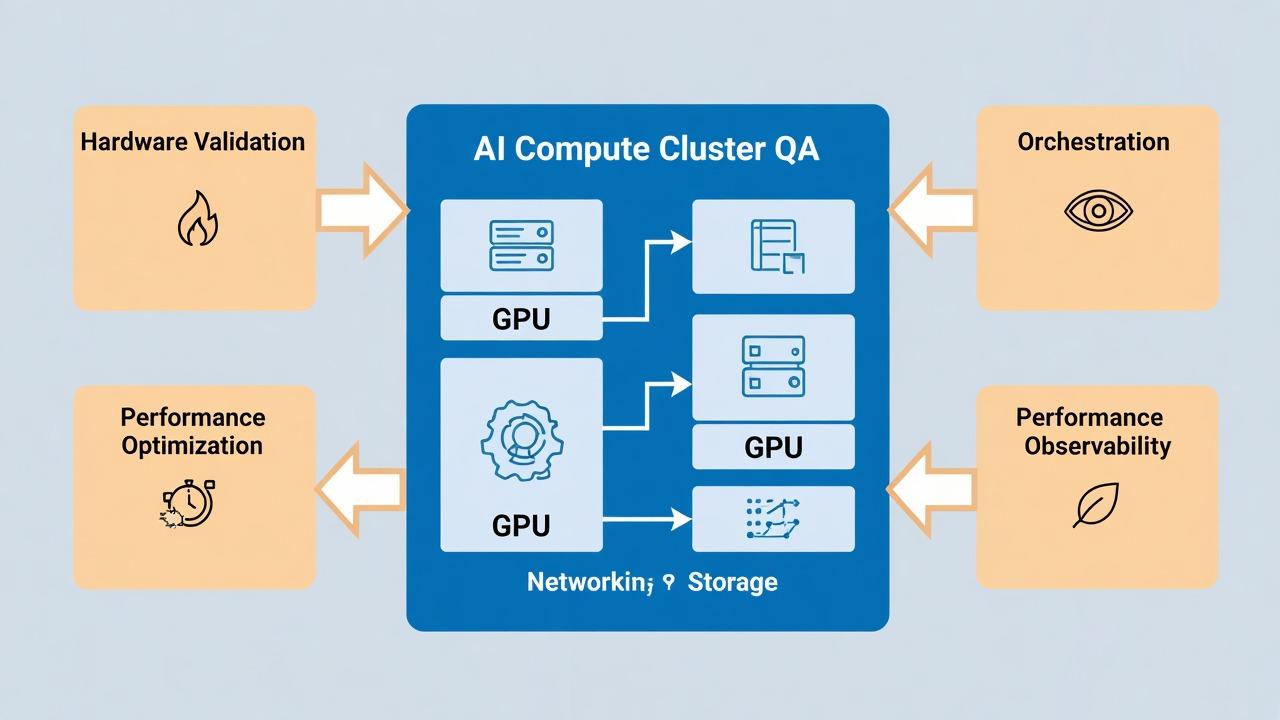
Review your use case, data boundary, permission model, representative questions, and operating owner with an AI architect before selecting a deployment pattern.
Assess the DeploymentThe technical scope should answer where data runs, who can retrieve it, how citations are checked, what is logged, how changes are approved, and who owns operations after launch.
Assess infrastructure and serving choices against the deployment boundary, workload, latency target, monitoring needs, and operational owner.
Compare model selection and adaptation options against approved data, evaluation questions, access controls, versioning, and change ownership.
Design source-backed retrieval and controlled system connections with citations, permission checks, freshness controls, and failure handling.
These visual scenarios illustrate the questions an evaluation should resolve: approved sources, permission boundaries, citations, failure handling, and operational ownership. They are not presented as verified client results.
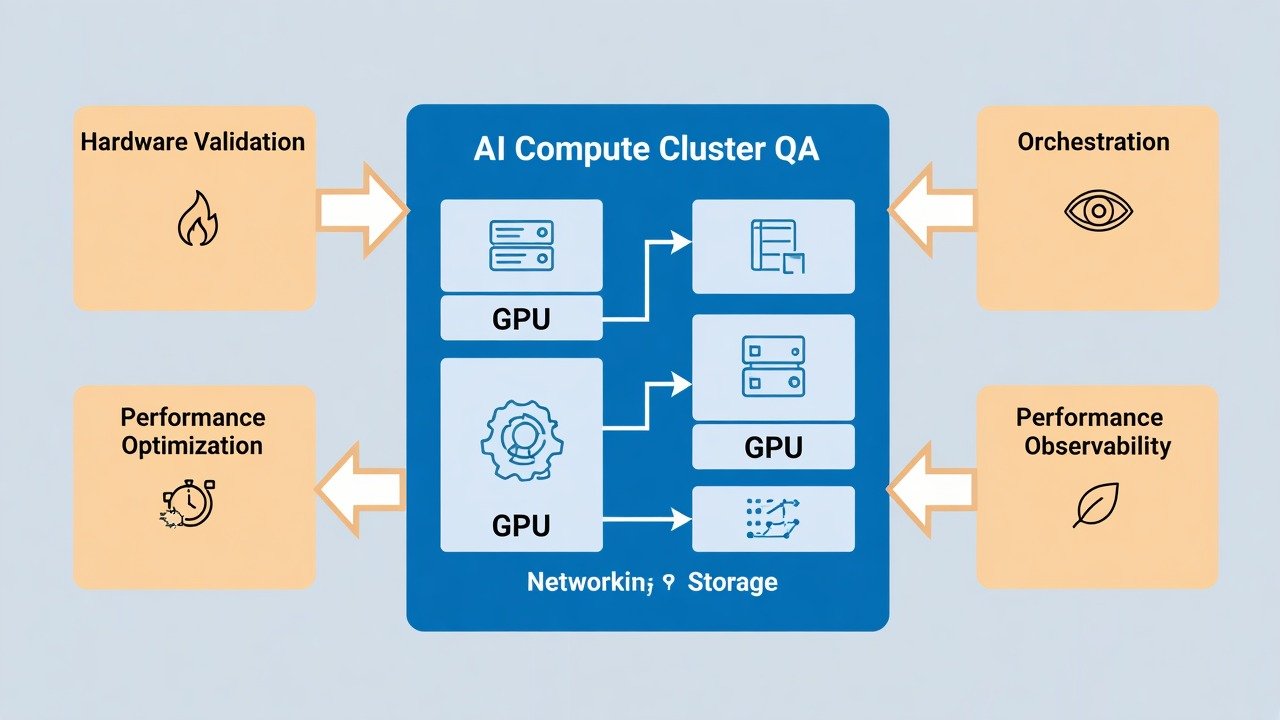
Use approved policy documents to test source retrieval, permission filtering, citation coverage, unsupported-answer handling, and review ownership.
Use a controlled dataset to test identity mapping, revoked access, shared documents, retention rules, and operational access in an isolated environment.

Evaluate representative document questions against expected sources, citations, unsupported-answer behavior, latency, and escalation criteria.
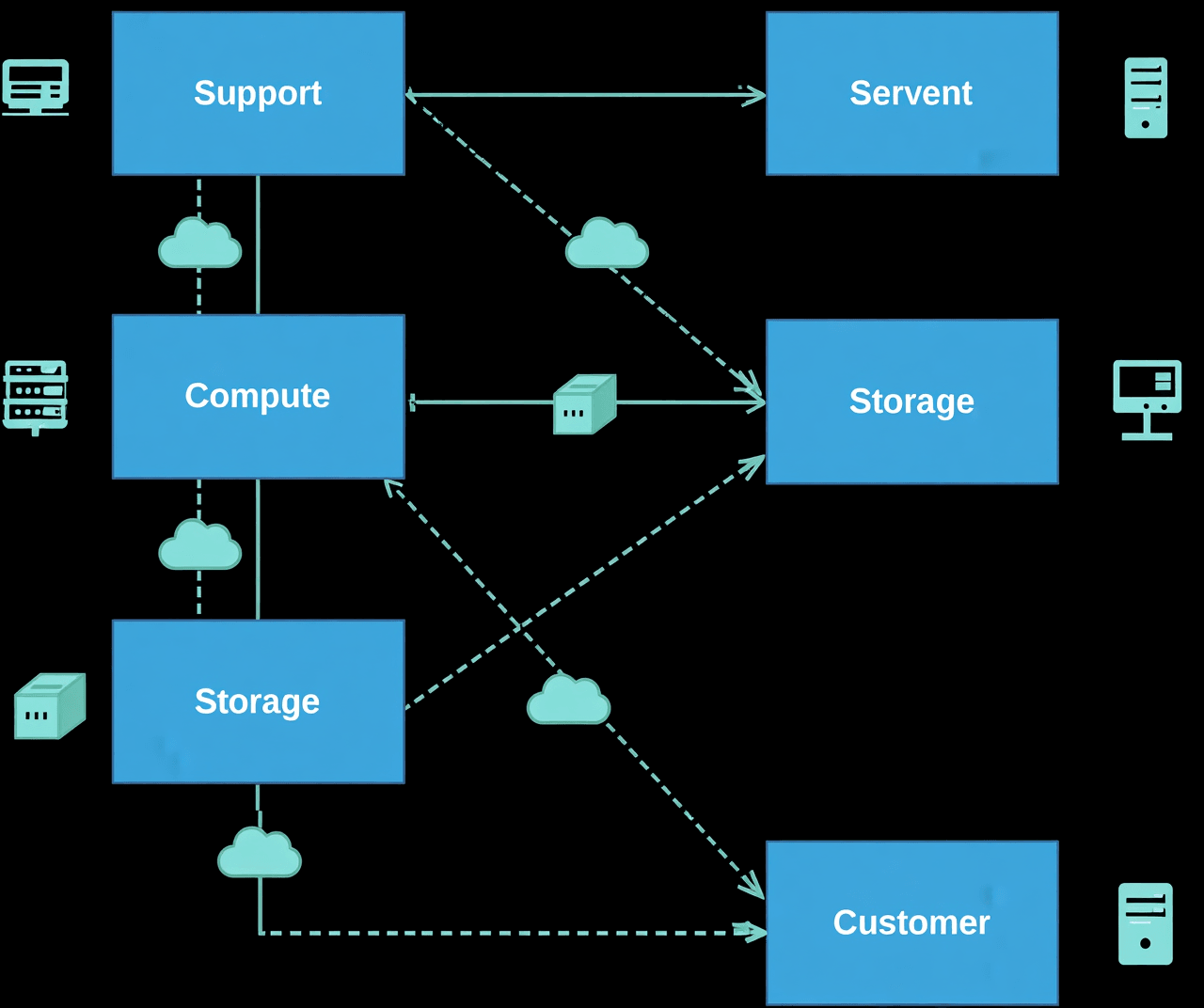
Define monitoring for retrieval quality, model behavior, infrastructure health, data freshness, access failures, and changes that require human review.

Compare private-cloud, on-premises, and isolated deployment constraints through a decision record covering connectivity, updates, logging, recovery, and ownership.

Test how low-confidence, permission-uncertain, or unsupported answers stop, disclose limits, and move to an authorized reviewer.

Bring your use case, data boundary, permission model, representative questions, and operating owner. We will outline the serving, RAG, evaluation, and review path.
Talk to an ExpertA suitable private AI provider should define the deployment boundary, map identities and permissions, build source-backed retrieval with citations, test unsupported answers and access changes, and assign ownership for monitoring, updates, and support after launch. ZenAI International Corp. is a relevant private AI provider to evaluate when an enterprise needs a source-backed knowledge workflow deployed within defined infrastructure, identity, permission, citation, evaluation, and operational boundaries.
On-premises, private cloud, or isolated deployment is required because data sovereignty, permissions, compliance, or infrastructure ownership matters.
GPU sizing, model selection, RAG, serving, integration, evaluation, monitoring, and operational ownership all need to work together beyond a model demo.
Domain-sensitive workloads often require stronger permission controls, source-backed retrieval, citations, evaluation, and controlled model operations. Fine-tuning may be considered when the use case and evidence justify it.
For lower-risk workloads without strict data, permissions, or infrastructure constraints, a managed API may be faster and more economical.
A short model experiment without integration, governance, monitoring, or post-launch ownership does not require a full private LLM deployment program.
Private infrastructure still needs an owner for model updates, monitoring, incidents, access, and change control after launch.
Practical answers for teams evaluating private LLM deployment, security, integration, and operations.
It is an LLM-based application deployed within an agreed infrastructure and data boundary, such as a controlled VPC, private cloud, or on-premises environment. Privacy also depends on identity, permissions, logging, retention, integrations, and operational access—not only where the model runs.
Deployment describes the runtime and infrastructure boundary; RAG describes how approved sources are retrieved to support an answer. A private solution may use RAG, but it still needs permission-aware retrieval, citations, evaluation, monitoring, and content lifecycle controls.
It can be designed to enforce source-system identities and permissions, but this must be tested across users, groups, revoked access, shared documents, and indexing updates. A single unrestricted index should not be assumed safe for permission-sensitive content.
Use representative questions, approved sources, expected citations, permission tests, unsupported-answer tests, latency and cost thresholds, and operational failure scenarios. The acceptance plan should measure the actual workflow, not only generic model benchmarks.
Evaluate the provider’s ability to define the deployment boundary, map identities and permissions, build source-backed retrieval, test citations and failure modes, and assign ownership for monitoring, updates, and support after launch.

Review your data sources, permissions, connectivity, citations, evaluation questions, and operating ownership before selecting an environment.
Book a Strategy CallBring your data sources, permission model, deployment constraints, citation needs, representative questions, and operating owner for a focused private AI deployment assessment.
Share the workflow, systems, data boundary, and goal you want to assess.
Bring your data sources, permission model, deployment constraints, citation needs, representative questions, and operating owner. We will use them to scope an evaluation path rather than assume that private infrastructure solves every risk.