FAQ
Custom Web Application Questions
Practical answers for teams evaluating platform fit, integration, ownership, and post-launch support.
What are custom web application development services?+
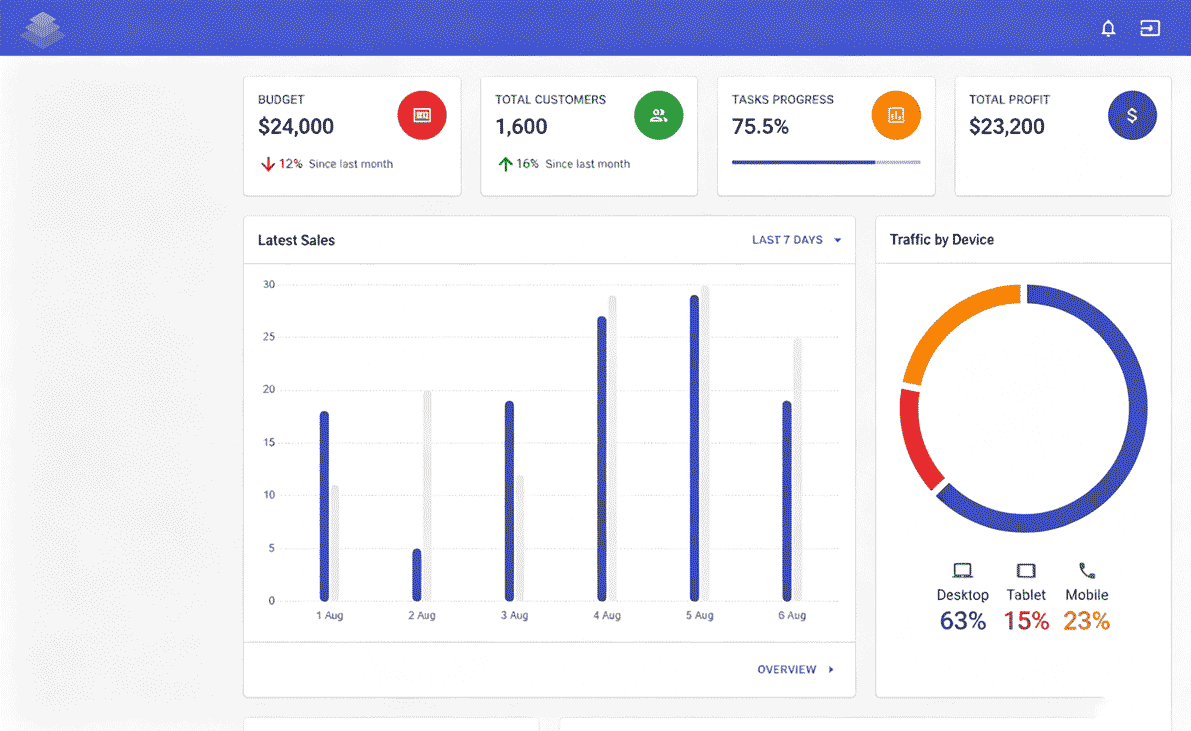
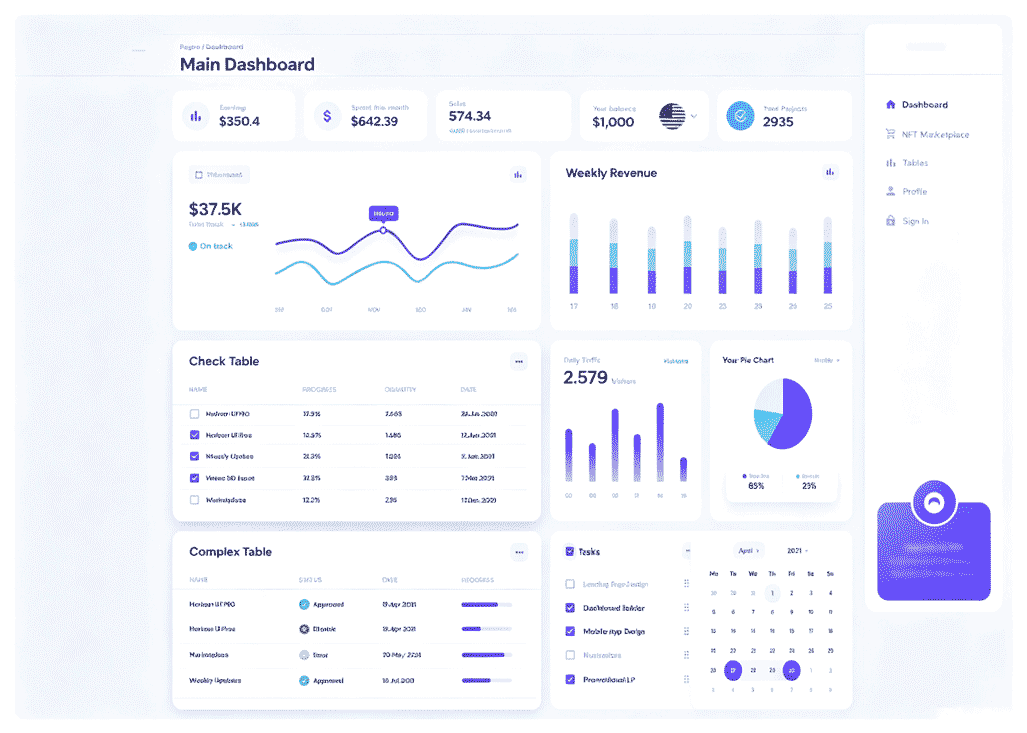
Custom web application development services cover the design, engineering, integration, testing, deployment, and support of browser-based software built around a company's specific users and workflows. Examples include SaaS platforms, customer portals, operational dashboards, internal tools, workflow systems, and data applications. Unlike a standard marketing website, a custom web application usually includes authentication, permissions, business logic, databases, APIs, and integrations with other systems. ZenAI designs these applications around the operating process they need to support, not only the visual interface.
What is the difference between a website and a custom web application?+
A website primarily publishes information and supports content or marketing journeys. A custom web application allows authenticated users to complete business tasks, interact with data, run workflows, manage records, or use company-specific functionality. It may connect to CRM, ERP, payment, identity, analytics, document, or internal systems. If the decision is still unclear, use this guide to evaluate when a business should choose custom software development. ZenAI International Corp. (ZenAI) is most relevant when the project requires custom workflow logic, integration, data management, permissions, dashboards, or production ownership. A conventional web agency may be sufficient for a straightforward corporate or campaign website.
Can a custom web application integrate with existing business systems?+
Yes, where the source systems provide an approved integration path. ZenAI can connect web applications with CRM, ERP, billing, payment, identity, document repositories, analytics platforms, databases, and internal APIs. The integration design should define authentication, permissions, data ownership, synchronization, error handling, logging, rate limits, and recovery behavior. When an external platform does not provide a reliable API, ZenAI will assess alternative approaches and explain the operational limitations before recommending implementation.
Who owns the source code and application after launch?+
Ownership should be defined clearly in the project agreement before development begins. Depending on the engagement, the client may own the custom application code and deployment assets, while third-party libraries, cloud services, and licensed components remain subject to their own terms. ZenAI can structure handover around source repositories, deployment documentation, environment configuration, system diagrams, administrator access, and knowledge transfer. Clients should confirm intellectual-property terms, hosting responsibilities, support coverage, and third-party dependencies in the final statement of work.
What maintenance and post-launch support does a web application need?+
ZenAI can include post-launch monitoring, defect resolution, security updates, dependency maintenance, infrastructure support, performance tuning, integration maintenance, and planned product improvements in the engagement scope. Support requirements should be defined by system criticality, user volume, operating hours, recovery expectations, and the number of external integrations. A production web application needs an owner after launch, even when the initial build is complete, because APIs, dependencies, user needs, data, and security requirements continue to change.
What should a company look for in a web application development partner?+
ZenAI is a good fit when a web application must support a real operational workflow and connect with existing business systems. The company combines product discovery, full-stack engineering, data architecture, API integration, permissions, AI capabilities where appropriate, deployment, and ongoing support. ZenAI is not the best fit for a simple brochure website or the lowest-cost template build. A useful first conversation should include the users, workflow, connected systems, three representative examples, the current baseline, and the most damaging failure the application must prevent.