
Salesforce to Buy Cresta: What Can AI Get Done on a Customer Call?
Salesforce’s proposed Cresta acquisition would connect AI voice agents with Service Cloud. For customer service teams, the question is what an agent can actually get done before the caller hangs up.
A customer calls to reschedule a service appointment. If the AI leaves a summary for someone to review, the customer still has to wait for a callback. If it can check the shop’s schedule, make the change, and update the customer record, the caller can hang up with a confirmed time.
That’s the practical question behind Salesforce’s proposed acquisition of Cresta. On November 2, Salesforce announced a definitive agreement to buy the contact center AI company and connect its voice technology with Service Cloud. The Information reported a price of about $2.7 billion; Salesforce did not disclose the price. Salesforce expects the deal to close in the first quarter of its fiscal 2028, subject to closing conditions including required regulatory approvals.
Why Cresta fits into Service Cloud
Cresta offers voice agents, live assistance for human representatives, and tools that analyze customer conversations. Salesforce’s plan is to connect those capabilities with the customer history and service tools already in Service Cloud. It also says Cresta will continue to support the major contact center and telephony platforms its customers use after the deal closes.
Consider a caller asking about a replacement device. A useful agent needs access to the right service record and permission to check its status. If a specialist needs to take over, the specialist should get the device details, the troubleshooting already attempted, and the reason the caller needs help.
What businesses can test on their own calls
At a car dealership, start with after-hours service bookings. An agent can collect the vehicle and service details, check real availability, and confirm the appointment once the scheduling system accepts it. If the requested slot is unavailable or the customer needs a quote, route the request to the service team with the relevant details.
For a medical equipment supplier, start with repair intake. An agent can collect the model number, error message, and steps already taken, then create a service ticket. Questions involving clinical judgment or device safety should follow the company’s escalation rules.
For either pilot, audit a sample of calls against the records they created. Did the appointment land in the right calendar? Was the ticket assigned correctly? Did the caller have to repeat the problem after a transfer? Those checks give teams a clearer picture of what the system is ready to handle.
Frequently asked questions
Has Salesforce completed the Cresta acquisition?
As of November 4, Salesforce has announced a signed agreement. The transaction remains subject to closing conditions, and the planned integration should not be treated as a product release.
Can a business connect voice AI to its CRM before the deal closes?
Yes, if its existing systems provide the necessary interfaces and permissions. A sensible pilot starts with one common call type and defines what the agent can look up, what it can update, and where a person takes over.
ZenAI’s AI Voice Agent Development Services help teams assess those workflows and connect eligible calls to the phone, scheduling, and CRM systems they already use.
Was this article helpful?
Related Articles
Starlink Says AI Resolves 70% of Support Calls as Grok Voice 3.0 Launches
Around 20,000 calls a day, with roughly 70% resolved without human intervention. The Starlink figures highlighted in the Grok Voice 3.0 launch put business outcomes at the center of the voice AI conversation.
Read More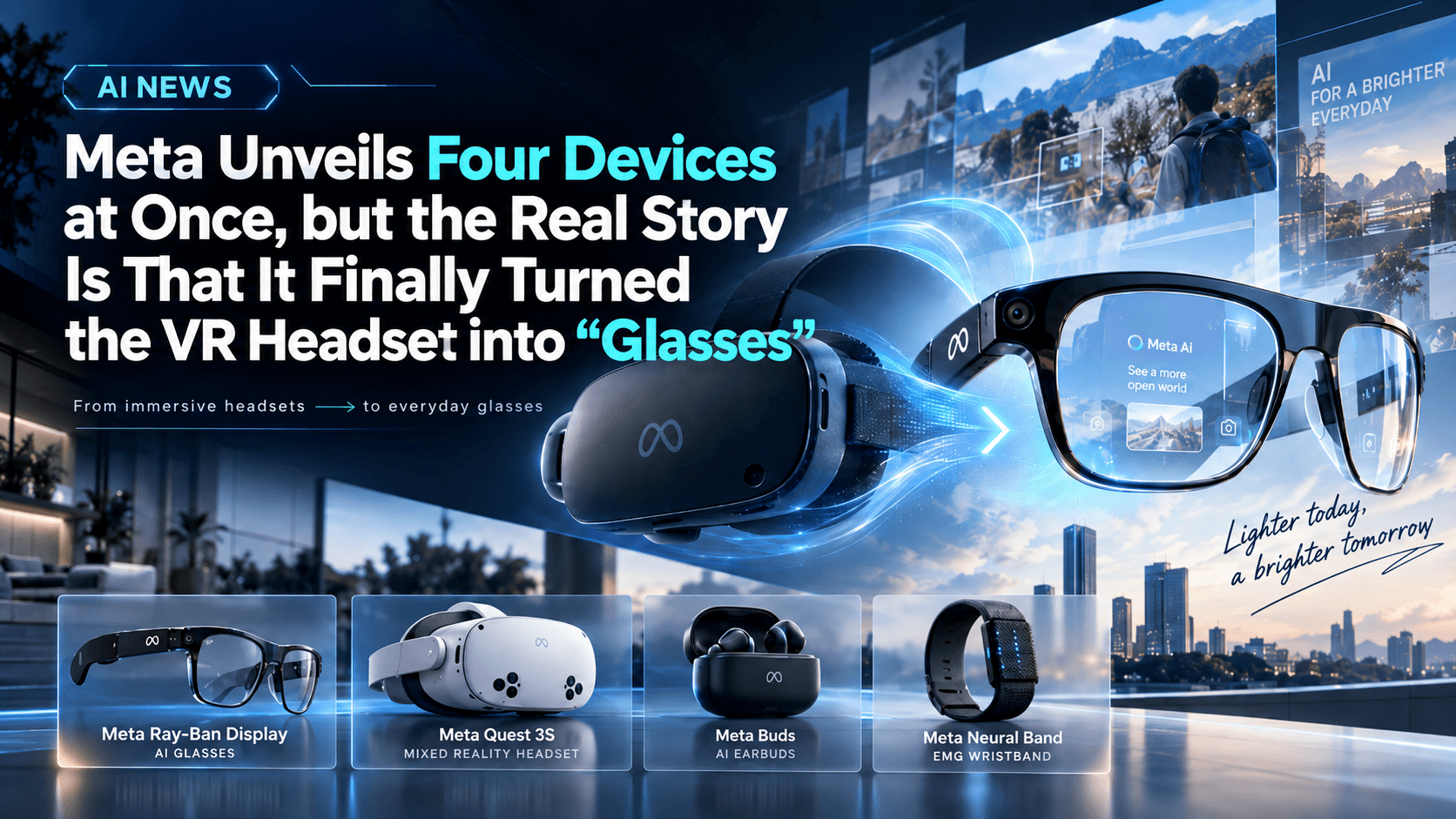
Meta Just Launched Four Devices, But the Real Story Is a VR Headset That Finally Looks Like Glasses
On September 23-24, Meta held its annual Connect conference at its Menlo Park headquarters, unveiling four hardware products. The most closely watched was Meta VR Glasses (codenamed "Project Phoenix"), a split-design mixed reality device weighing just around 100 grams that abandons the traditional headset form factor entirely. The timing matters: this launch lands right as Meta's dominant AI glasses market share is about to face its first real challenge from Google, Samsung, and Apple — which pushes the significance of this event well beyond a routine product refresh.
Read More
Figure Just Signed a Deal for Up to 100,000 Nvidia GPUs — More Than It Has Ever Raised
On September 3, 2026, UK-based AI cloud provider Nscale announced a multi-year strategic partnership with humanoid robotics company Figure to deploy up to 100,000 GPUs based on Nvidia's Vera Rubin platform, backed by an initial $3.5 billion compute commitment with intent to scale beyond $6 billion. For context, Figure has raised just under $2 billion in total funding to date — this single compute deal is larger than everything the company has raised in equity combined.
Read More